


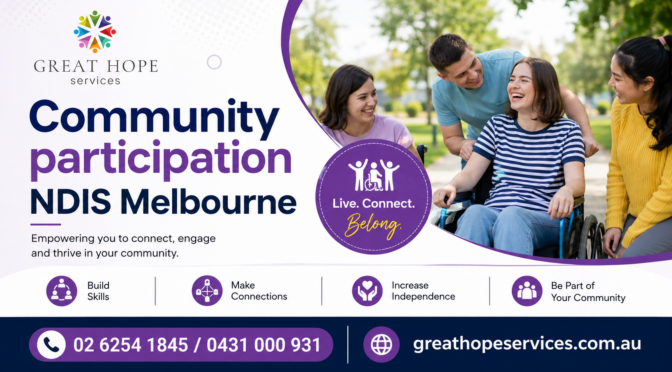
Making friends as a young adult can feel tricky and sometimes overwhelming for everyone. For young people with disability, this journey might feel even more complex and isolating. The good news? NDIS support makes building real friendships completely possible. Young adults can now access tools and connections to create lasting relationships easily.
Understanding NDIS Social Support for Friendships
The National Disability Insurance Scheme supports young adults in meaningful ways. Community participation NDIS in Melbourne helps participants find their tribe. Support workers guide people toward social engagement activities. They help young adults meet others with similar interests.
Key Support Areas:
- Finding friendship-building opportunities that match your interests
- Developing social interaction skills in safe environments
- Creating meaningful connections with peers and community members
- Building confidence through supported social experiences
How Support Workers Help With Friendship Building
Support workers play an important role in facilitating connections. They listen to your interests and find matching groups. Community access support in Victoria enables participation in clubs and activities. Workers help you prepare for social situations beforehand.
They teach practical skills like starting conversations naturally. They celebrate your social wins and progress consistently. Workers provide feedback to help you grow socially. Your confidence grows as you practice more often.
Community Inclusion Through Structured Social Programs
Young adults need safe spaces to practice and grow. Community inclusion support in Melbourne creates these welcoming environments. Programs offer structured activities where friendships naturally blossom. Everyone works toward building genuine social networks together.
Benefits of Structured Programs:
- Lower pressure when meeting new people initially
- Shared interests create natural conversation starters
- Support workers are there for backup assistance
- Regular attendance builds familiar faces and friendships
Beyond the Program: Real-World Friendships
Real friendships happen when you step beyond structured settings. NDIS social engagement in Victoria gives you confidence for this transition. Support workers help you practice independence gradually. Young adults learn to maintain friendships without constant support.
Friendships thrive when built on genuine shared interests. Your support team helps identify what matters to you. They encourage you to join clubs matching your passions. Natural friendships develop when you’re doing things you love.
Practical Tips for Building Lasting Friendships
- Start with your genuine interests and passions first.
- Join groups where you’ll see the same people regularly.
- Be yourself and share your real personality with others.
- Listen actively when others share their stories with you.
- Follow up with people you’ve met and connected with.
- Attend events consistently to strengthen budding relationships.
- Don’t be afraid to suggest getting together outside groups.
- Celebrate small wins in your friendship-building journey always.
Overcoming Common Friendship Challenges
Some young adults worry about rejection or feeling different. This is completely normal and understandable for everyone. Support workers help you navigate these fears safely. They teach strategies to build resilience and self-confidence.
Communication can sometimes feel awkward at first initially. Your support team role-plays conversations before real situations happen. They help you understand social cues and nonverbal communication. Practice makes these interactions feel more natural over time.
Technology and Friendships in Today’s World
Apps and online communities offer new friendship opportunities today. Many young adults find their people through digital platforms. Your support worker can help navigate these spaces safely. Online friendships often lead to real-world connections too.
Video calls let you stay connected between in-person meetups. Online groups connect you with people sharing your interests. Technology removes barriers to social connection for many. Use it as a tool to expand your friendship circle.
Conclusion
Building friendships as a young adult with disability is absolutely achievable. NDIS support provides the tools, confidence, and guidance you need. Your support team celebrates every step of your journey. Real, meaningful friendships are waiting for you to discover.
Ready to start your friendship-building journey today? Connect with Great Hope Services for personalised community participation support guidance.
- Phone: 0431 000 931 / 02 6254 1845
- Email: debu@greathopeservices.com.au
- Website: https://greathopeservices.com.au/
Frequently Asked Questions
- What if I’m shy or anxious about meeting new people?
Support workers help build your confidence gradually. They teach practical strategies and practice social situations with you beforehand. - Can NDIS pay for friendship-building activities?
Yes, many social engagement activities are NDIS-funded. Your support coordinator helps identify which activities suit your goals. - How long does it take to build real friendships?
Everyone’s timeline differs, but consistent participation helps. Most people notice meaningful connections within several months of regular attendance. - What if I don’t know what interests to pursue?
Support workers help you explore different activities. They work with you to discover passions you didn’t know existed. - Can I make friends without ongoing support worker involvement?
Yes, that’s the ultimate goal for many. Support workers gradually step back as your confidence and independence grow. - Are there online communities for young adults with disability?
Yes, many supportive online groups exist. Your support worker can help you find and navigate safe digital communities. - What if friendships don’t work out sometimes?
This happens to everyone and is completely normal. Support workers help you process this and continue trying. - How do I know which activities are right for me?
Start with activities matching your genuine interests. Your support team helps you explore options before committing. - Can I attend activities without my support worker present?
Many young adults do this successfully once confident. Your support worker helps build your independence step by step. - What if I want friendships but struggle with social situations?
This is very common and manageable with support. Structured programs and skill-building help you build authentic social connections gradually.


