


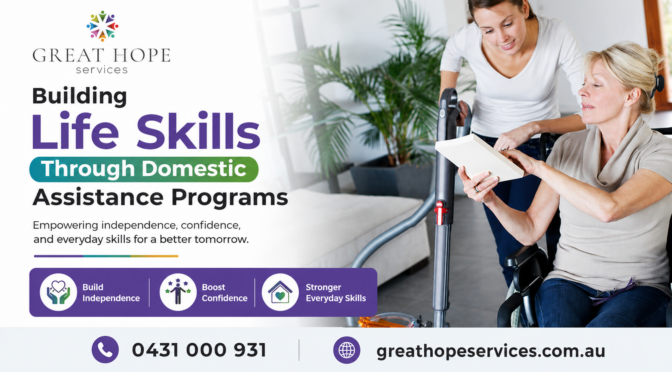
Managing a home requires essential life skills that promote independence and confidence. Domestic assistance for disability in Canberra empowers individuals by building practical competencies. These services teach valuable abilities whilst maintaining people’s dignity and autonomy. The support transforms everyday tasks into genuine learning opportunities for skill development.
Empowering Independence: How NDIS Cleaning Services Support Skill Growth
NDIS cleaning services in Canberra aren’t merely about maintaining cleanliness standards. Rather, it’s an educational pathway toward greater independence. Participants learn techniques, routines, and habits that establish sustainable life patterns.
Key Benefits Include:
- Building confidence through mastering practical household abilities
- Developing organisational and time-management competencies
- Creating structured routines that improve overall wellbeing
- Fostering a sense of accomplishment and personal pride
- Encouraging active participation in daily living tasks
Who qualifies for NDIS household tasks? Eligible participants gain structured support in achieving personal outcomes. The emphasis centres on capability development, not task completion alone.
Household tasks NDIS in Kambah covers a comprehensive range of activities. Participants discover methods for maintaining clean, organised living environments independently.
Skill Development Through Practice
| Life Skill | Learning Outcome | Independence Level |
| Cleaning Techniques | Proper methods & safety | High |
| Time Management | Scheduling & prioritisation | Moderate-High |
| Budgeting | Cost awareness | Moderate |
| Organisation | System creation & maintenance | High |
Transforming Daily Living: Domestic Assistance Disability Canberra Programs
Domestic assistance disability in Canberra focuses on building sustainable capacity. Participants gain confidence managing household responsibilities with minimal prompting.
Why Skill Development Matters
Enhanced abilities create genuine empowerment and self-determination. Individuals develop the capabilities to manage their environments effectively. Support workers act as educators, not merely task-doers.
What household tasks are funded by NDIS? Services typically include cleaning, laundry, meal preparation, and shopping. Is house cleaning included in NDIS? Yes, when it supports skill-building outcomes.
Quality Support Making a Real Difference
Registered NDIS cleaning provider in Canberra services maintain quality standards. Support workers possess relevant qualifications and experience. The approach prioritises participant goals above task completion.
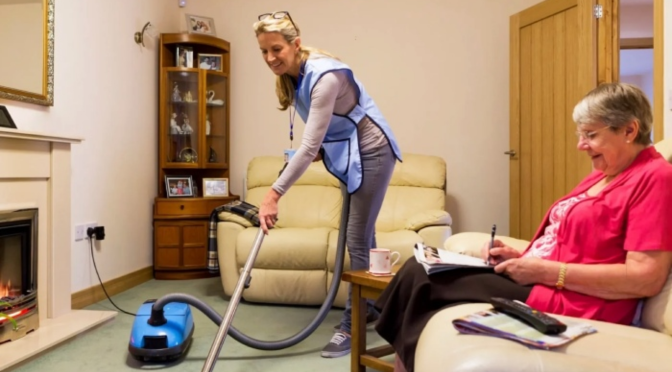
Making the Transition: From Dependence to Capability
Most participants experience improved confidence within weeks. Regular practice transforms uncertainty into genuine competence. The psychological benefits often exceed the cleaning outcomes themselves.
Support fosters lasting changes benefiting participants long-term. Independence reduces anxiety around household management. Improved capability enhances overall quality of life significantly.
Ready to Build Your Independence?
Start your skill-building journey today. Connect with support services to understand your aspirations. Request an assessment to discover tailored programs matching your goals. Take the first step toward sustainable independence now.
Call now for a confidential consultation. Your pathway to independence begins here. Get in touch with Great Hope Services to book a free consultation and know how our domestic assistance for disability in Gungahlin empowers you and enhances your independence.
Frequently Asked Questions
1. How long does skill development typically take?
Timeframes vary individually, ranging from weeks to months depending on complexity and engagement levels.
2. Can family members participate in training sessions?
Yes, involving family supports consistency and reinforces learning across different environments.
3. What if I find certain tasks particularly challenging?
Support workers adapt approaches using alternative methods suited to individual learning styles.
4. Are participants expected to achieve complete independence?
Goals focus on maximum achievable independence, recognising that individual circumstances vary considerably.
5. How does support continue after initial training is completed?
Ongoing support maintains skills and addresses emerging challenges through regular check-ins.


