


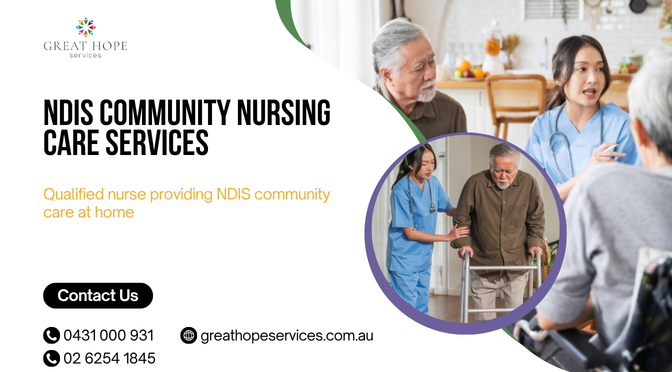
Living with a disability presents unique challenges that require professional, compassionate support every single day. Quality care at home makes a tremendous difference in daily comfort. NDIS community nursing care services in Googong help people manage health needs independently. These services transform lives by enabling individuals to thrive within their own homes.
What Are NDIS Nursing Care Services?
NDIS nursing care provides professional health support directly to participants. These services help manage medical needs and promote independence at home. Trained nurses deliver personalised disability care plans tailored to specific requirements. Support ranges from wound care to medication management and health monitoring.
Key Benefits of Home-Based Nursing Support
Enhanced Independence and Autonomy
- Participants maintain control over daily routines and lifestyle choices
- Professional support enables people to remain in familiar home environments
- Individuals develop skills necessary for greater self-management over time
- Independence builds confidence and improves overall emotional well-being
Physical Health and Wellness
Disability nursing care at home in Belconnen focuses on preventative health management. Nurses monitor vital signs and identify potential health issues early. Regular assessments prevent complications and reduce unnecessary hospital visits. Consistent care ensures medications are taken correctly and health goals are achieved.

Mental and Emotional Well-being
Professional nursing support significantly improves mental health outcomes for participants. Compassionate care reduces anxiety and builds trust with healthcare providers. Social interaction with trained professionals combats feelings of isolation effectively. Emotional support helps participants process experiences and build resilience.
Types of Care Services Available
NDIS community nursing support in Canberra includes multiple service options:
- Nursing Assessments: Comprehensive health evaluations identify care needs
- Medication Management: Safe administration and monitoring of prescribed medicines
- Wound and Stoma Care: Professional treatment of complex medical conditions
- Catheter Care: Specialised support for continence management systems
- Health Monitoring: Regular tracking of vital signs and health indicators
- Health Education: Teaching participants about managing their own conditions
- Continence Support: Assistance with toileting and personal hygiene needs
Supporting Independence at Home
Home nursing services for disability in Queanbeyan empower participants to live independently. Nurses teach self-care techniques that build confidence and capability. Participants learn to recognise warning signs and seek appropriate help. Support gradually transitions to greater self-management as skills develop.
Regular communication between nurses and participants ensures care plans remain relevant. Flexibility allows adjustments based on changing health needs. Collaborative relationships create trust and improve treatment outcomes significantly.
Specialised Support for Complex Needs
NDIS complex care nursing support in Gungahlin addresses serious medical requirements effectively. Nurses manage tracheostomy care, ventilator support, and other complex needs. Specialised training ensures safe, competent care for high-risk medical situations. Continuous monitoring prevents emergencies and maintains health stability.
How Professional Nursing Improves Daily Life
Nursing services create structured routines that promote better health outcomes. Regular support reduces hospital admissions and associated complications dramatically. Professional oversight ensures quality care delivery meets individual standards. Participants experience reduced stress knowing experts monitor their health closely.
Conclusion
NDIS nursing care services play an essential role in supporting individuals. These services enable people to live independently with confidence and dignity. Professional support improves health outcomes while enhancing overall quality of life. If you’re seeking quality nursing care support, contact Great Hope Services today.
Reach out now:
- Call us on 0431 000 931 or 02 6254 1845.
- Email debu@greathopeservices.com.au
- Visit https://greathopeservices.com.au/ for more information.
Frequently Asked Questions
1. What qualifications do NDIS nurses possess?
NDIS nurses hold valid nursing registrations and specialised disability care training. They maintain professional standards through ongoing education and certification requirements.
2. Can nursing services assist with medication management?
Yes, trained nurses safely administer medications and monitor their effectiveness. They track prescriptions and report any concerning side effects immediately.
3. How often can participants access nursing support?
Frequency depends on individual NDIS plans and specific health requirements. Services can be scheduled daily, weekly, or as needed for participants.
4. Are nursing services available during weekends and holidays?
Support availability varies based on individual plan arrangements and service agreements. Many providers offer flexible scheduling to accommodate participant preferences.
5. What happens if health needs change unexpectedly?
Care plans are reviewed regularly and adjusted based on changing requirements. Nurses communicate with participants and doctors to ensure plans remain appropriate.
6. Can nurses help with wound care at home?
Professional nurses provide comprehensive wound assessment, cleaning, and dressing care. They prevent infections and monitor healing progress throughout treatment.
7. How do nursing services support mental well-being?
Compassionate professional interaction reduces isolation and builds emotional resilience. Nurses provide health education and encourage positive coping strategies.
8. Will nursing care help reduce hospital visits?
Regular professional monitoring prevents complications and health emergencies effectively. Early intervention means fewer hospital admissions and improved health stability.
9. Can nursing services teach self-care skills to participants?
Yes, education and skill-building form core components of quality nursing care. Nurses gradually build participant confidence and independence over time.
10. How are NDIS nursing services funded?
Services are funded through individual NDIS plans based on assessed needs. Participants receive funding allocations specifically for nursing and disability support.


